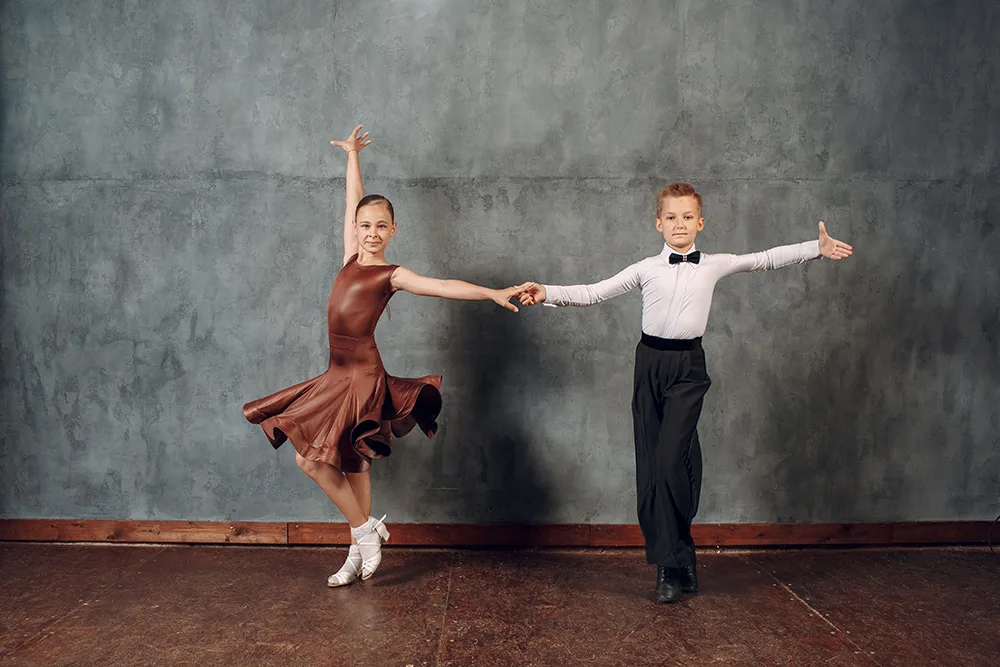
Ballroom dancing combines elegance, athleticism, and artistry into one beautiful form of expression. Whether you're preparing for a wedding, wanting to try a new hobby, or simply looking to add some grace to your movements, learning ballroom dance steps opens up a world of possibilities.
This comprehensive guide will walk you through the fundamental ballroom dance steps, popular dance styles, and practical tips to help you start your dancing journey with confidence. By the end, you'll understand the basics and know exactly how to take your first steps onto the dance floor.
What Makes Ballroom Dancing Special?
Ballroom dancing encompasses a collection of partner dances that originated in the ballrooms of Europe. These dances are characterized by their structured steps, elegant posture, and the connection between dance partners. The beauty of ballroom dancing lies in its combination of technical precision and emotional expression.
The International Dance Sport Federation recognizes ten standard ballroom dances, divided into two categories: Standard (or Modern) and Latin. Each style has its own personality, rhythm, and specific techniques that make it unique.
Essential Ballroom Dance Steps for Beginners
The Basic Box Step
The box step forms the foundation for many ballroom dances, particularly the waltz and foxtrot. This step gets its name because the dancer's feet create an invisible box pattern on the floor.
For the Lead (traditionally the man):
- Step forward with your left foot
- Step to the side with your right foot
- Close your left foot to meet your right foot
- Step back with your right foot
- Step to the side with your left foot
- Close your right foot to meet your left foot
For the Follow (traditionally the woman):
- Step back with your right foot
- Step to the side with your left foot
- Close your right foot to meet your left foot
- Step forward with your left foot
- Step to the side with your right foot
- Close your left foot to meet your right foot
The Progressive Walk
The progressive walk is fundamental to smooth dances like the foxtrot and tango. This step involves moving forward or backward while maintaining proper ballroom posture and frame.
Key elements include:
- Maintain contact with the floor through your feet
- Keep your upper body stable and upright
- Step heel-to-toe when moving forward
- Step toe-to-heel when moving backward
The Chasse
The chasse is a quick side-step commonly used in Latin dances. It involves stepping to the side, closing the feet together, then stepping to the side again.
Technique:
- Step to the side with one foot
- Quickly bring the other foot to meet it
- Step to the side again with the first foot
Maintain rhythm and keep movements crisp
Popular Ballroom Dance Styles and Their Signature Steps
Waltz
The waltz is often considered the most romantic of ballroom dances. Characterized by its 3/4 time signature, the waltz features smooth, flowing movements and a distinctive rise and fall action.
Basic Waltz Steps:
- Natural Turn: A turning box step that moves clockwise
- Reverse Turn: A turning box step that moves counter-clockwise
- Whisk: A step that creates a promenade position
- Promenade: Dancing side-by-side in an open position
Foxtrot
The foxtrot is smooth and sophisticated, perfect for beginners because of its walking-style movements. It's danced to 4/4 time and emphasizes long, flowing movements across the floor.
Basic Foxtrot Steps:
- Feather Step: A forward walking step with a slight curve
- Three Step: A basic forward and side movement
- Natural Turn: A gentle turning movement
- Reverse Turn: A turn in the opposite direction
Tango
The tango is passionate and dramatic, known for its sharp movements and distinctive posture. Unlike other ballroom dances, the tango doesn't have rise and fall action.
Basic Tango Steps:
- Tango Walk: Sharp, staccato walking steps
- Progressive Side Step: Moving sideways while maintaining tango hold
- Rock Turn: A pivoting movement that changes direction
- Promenade: An open position allowing for dramatic lines
Cha-Cha
The cha-cha is a lively Latin dance that's perfect for beginners. It's characterized by its triple step (cha-cha-cha) and playful, flirtatious movements.
Basic Cha-Cha Steps:
- Basic Step: Forward and back with triple steps
- New York: Partners break apart and come back together
- Spot Turn: A turning movement for the follow
- Hand to Hand: Partners step side to side while holding hands
Rumba
Known as the "dance of love," the rumba is slow and sensual. It emphasizes hip movement and upper body isolation while maintaining a strong connection between partners.
Basic Rumba Steps:
- Basic Step: Side-together-side movement with hip action
- Progressive Walk: Moving forward or backward with Cuban motion
- Alemana: A turn for the follow under the lead's arm
- Hockey Stick: A combination that creates an L-shape
Mastering Ballroom Dance Technique
Posture and Frame
Proper posture is crucial in ballroom dancing. Your frame—the position of your arms and connection with your partner—affects both your appearance and your ability to lead or follow effectively.
Key Points:
- Keep your shoulders relaxed and down
- Maintain a straight spine
- Hold your head up with your chin parallel to the floor
- Create a strong but flexible connection with your partner
Leading and Following
The lead-follow relationship is central to ballroom dancing. The lead initiates movements through body language and gentle pressure, while the follow responds to these signals.
For Leads:
- Use your body, not just your arms, to indicate direction
- Be clear and decisive with your movements
- Allow time for your partner to respond
- Maintain consistent frame and posture
For Follows:
- Stay alert to your partner's signals
- Maintain your own balance and posture
- Don't anticipate—wait for the lead
- Use your own technique to enhance the partnership
Timing and Rhythm
Each ballroom dance has its own rhythm and timing. Understanding musicality—how to interpret and express music through movement—is essential for becoming a skilled dancer.
Practice Tips:
- Listen to music regularly to internalize different rhythms
- Count beats out loud while practicing
- Start slowly and gradually increase tempo
- Focus on stepping precisely on the beat
Common Mistakes to Avoid
Looking Down at Your Feet
Many beginners focus on their feet, which affects posture and makes it difficult to connect with your partner. Trust your muscle memory and keep your eyes up.
Rushing the Steps
Taking time to complete each step properly is more important than moving quickly. Focus on technique first, then work on speed.
Neglecting Your Partner
Ballroom dancing is about partnership. Pay attention to your partner's comfort and skill level, and work together to create beautiful movement.
Skipping the Basics
Advanced moves look impressive, but they're built on solid fundamentals. Master the basic steps before attempting complex variations.
Building Your Ballroom Dance Foundation
Start with One Dance
Rather than trying to learn multiple dances at once, focus on mastering one style. This allows you to develop proper technique and build confidence.
Practice Regularly
Consistency is key to improvement. Even 15-20 minutes of daily practice can make a significant difference in your progress.
Take Lessons
While online tutorials are helpful, nothing replaces personalized instruction from a qualified teacher who can correct your technique and provide immediate feedback.
Social Dancing
Once you've learned basic steps, practice at social dances or dance parties. This helps you adapt your skills to different partners and music styles.
What to Expect in Your First Dance Class
Your first ballroom dance class might feel overwhelming, but remember that everyone started as a beginner. Most classes begin with basic posture and simple steps, gradually building complexity as students become more comfortable.
Typical Class Structure:
- Warm-up and posture review
- Basic step instruction
- Partner practice
- Combination of steps
- Cool-down and questions
What to Wear:
- Comfortable clothes that allow for movement
- Shoes with leather or suede soles (or socks for practice)
Avoid rubber-soled shoes that can stick to the floor
Take Your First Step onto the Dance Floor
Learning ballroom dance steps is a journey that rewards patience, practice, and passion. Each dance style offers its own unique challenges and pleasures, from the romantic waltz to the fiery tango. The key is to start with solid fundamentals and build your skills gradually.
Remember that ballroom dancing is not just about memorizing steps—it's about expressing music through movement, connecting with your partner, and discovering the joy of dance. Every expert dancer was once a beginner, and with dedication and proper instruction, you can develop the skills to move gracefully across any dance floor.
If you're looking for dance classes in Altamonte Springs, FL, contact Turning Pointe Dance Studio today to sign up for a free trial class. Our experienced instructors will help you master these fundamental ballroom dance steps and guide you on your dancing journey.